Carbon Removal Credits
Verified Carbon Removals
Every credit is based on actual carbon removal, verified through atmospheric measurements, and issued under ICROA-endorsed methodology.
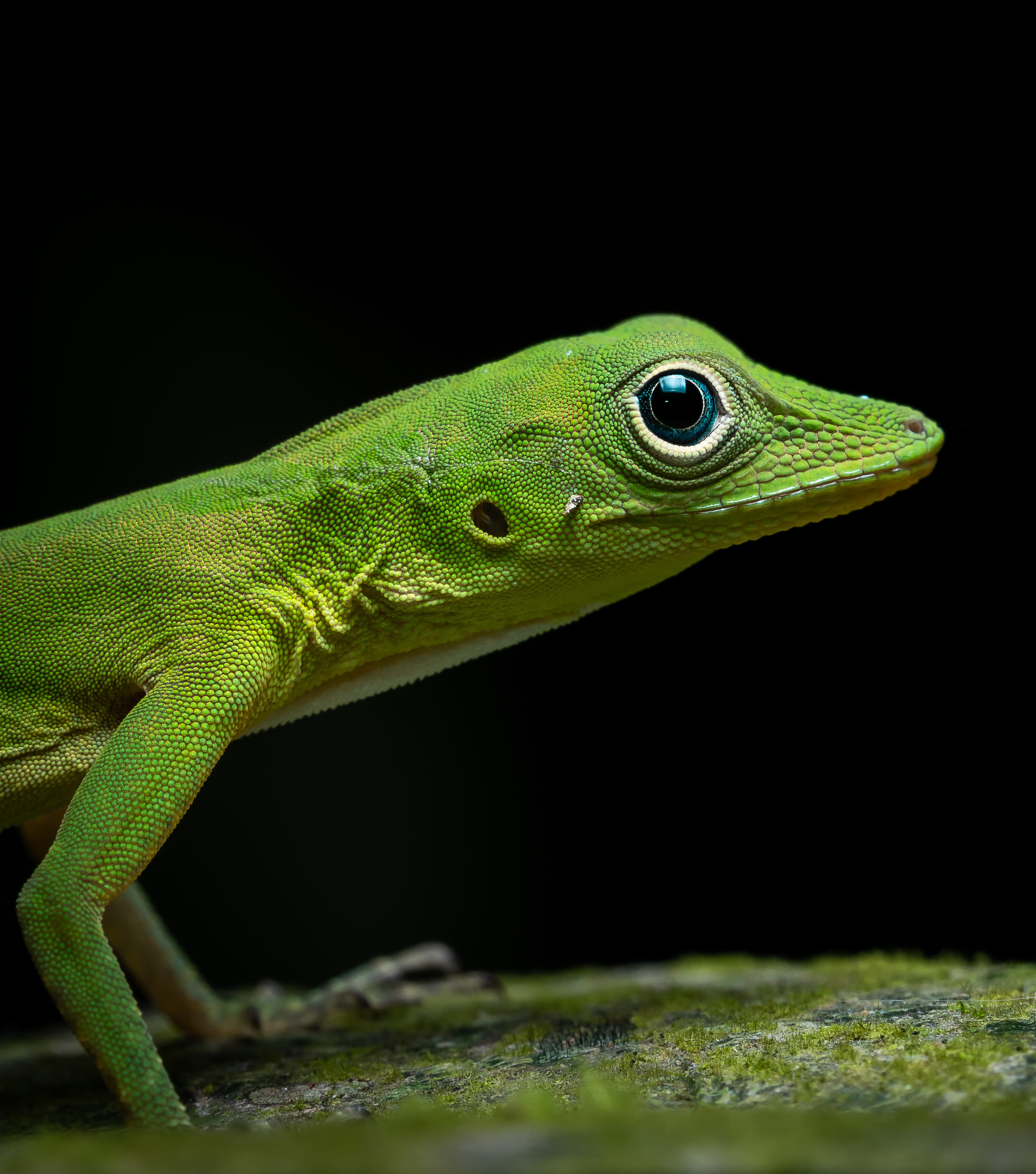
Biodiversity Protection
Projects are located in threatened Key Biodiversity Areas, safeguarding endangered species and critical habitats.
Community Benefits
Local communities benefit through conservation-linked employment and diversified income opportunities that strengthen long-term economic resilience.
Removal credits, verified by scientific measurement of what forest ecosystems are actually removing and storing.
All credits are issued under ICROA-endorsed carbon methodologies and independently verified by third parties.
Our approach integrates measurable carbon outcomes with the protection of threatened species in Key Biodiversity Areas, generating lasting benefits for local communities.
Every carbon credit is based on actual
measured net removals—not estimates.
Real-Time Verified Carbon
Removal using Flux Towers
Traditional carbon credits are issued based on assumptions of carbon and hypothetical scenarios.
Credits are issued on the actual net removal that occurs each year, eliminating historical uncertainties about carbon quantities and impacts across projects.
Carbon is measured in real time through atmospheric monitoring systems installed on flux towers, strategically positioned throughout the project site.
This enables payment for the ecosystem services that tropical forests actually provide.
Read more about flux towers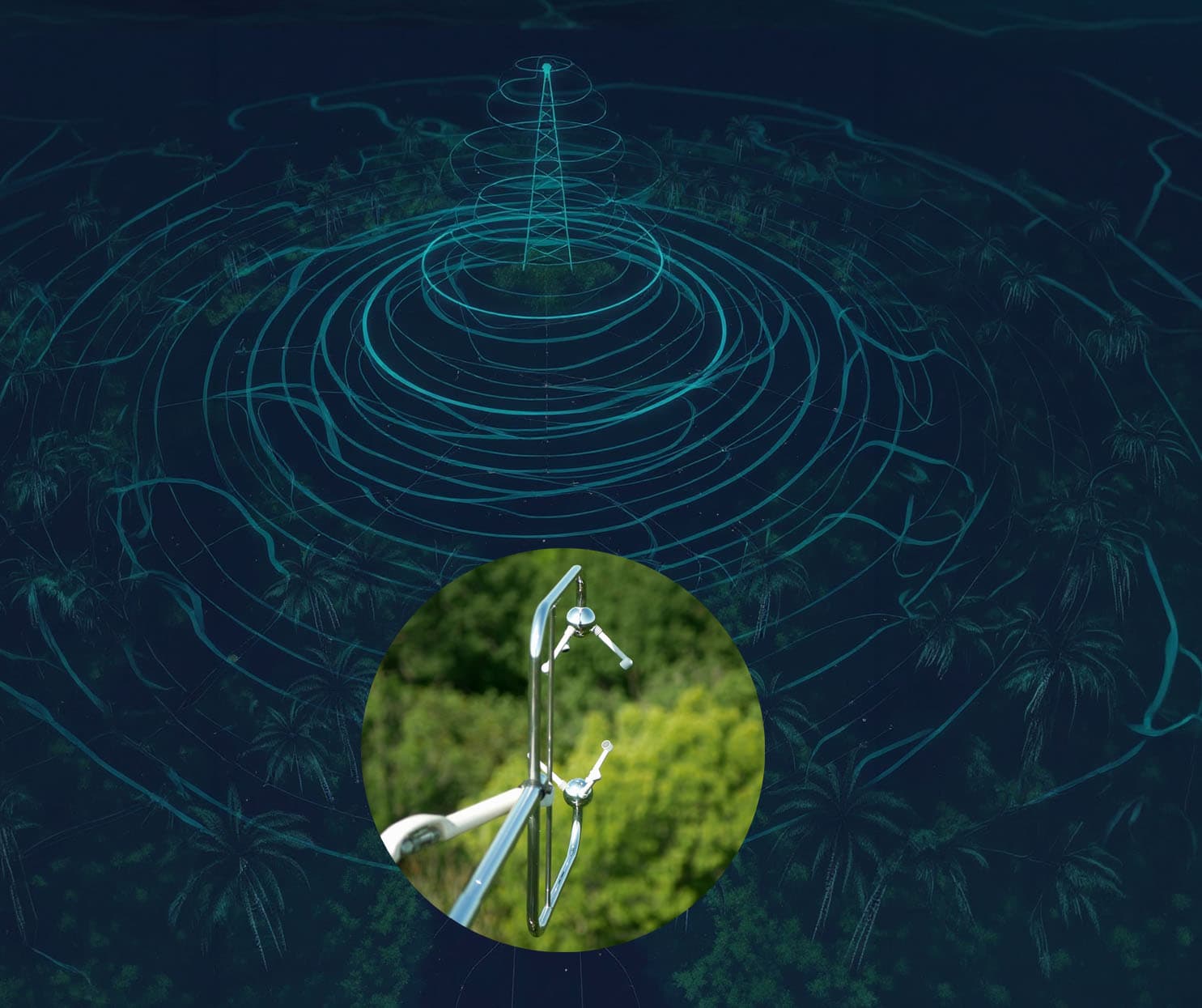
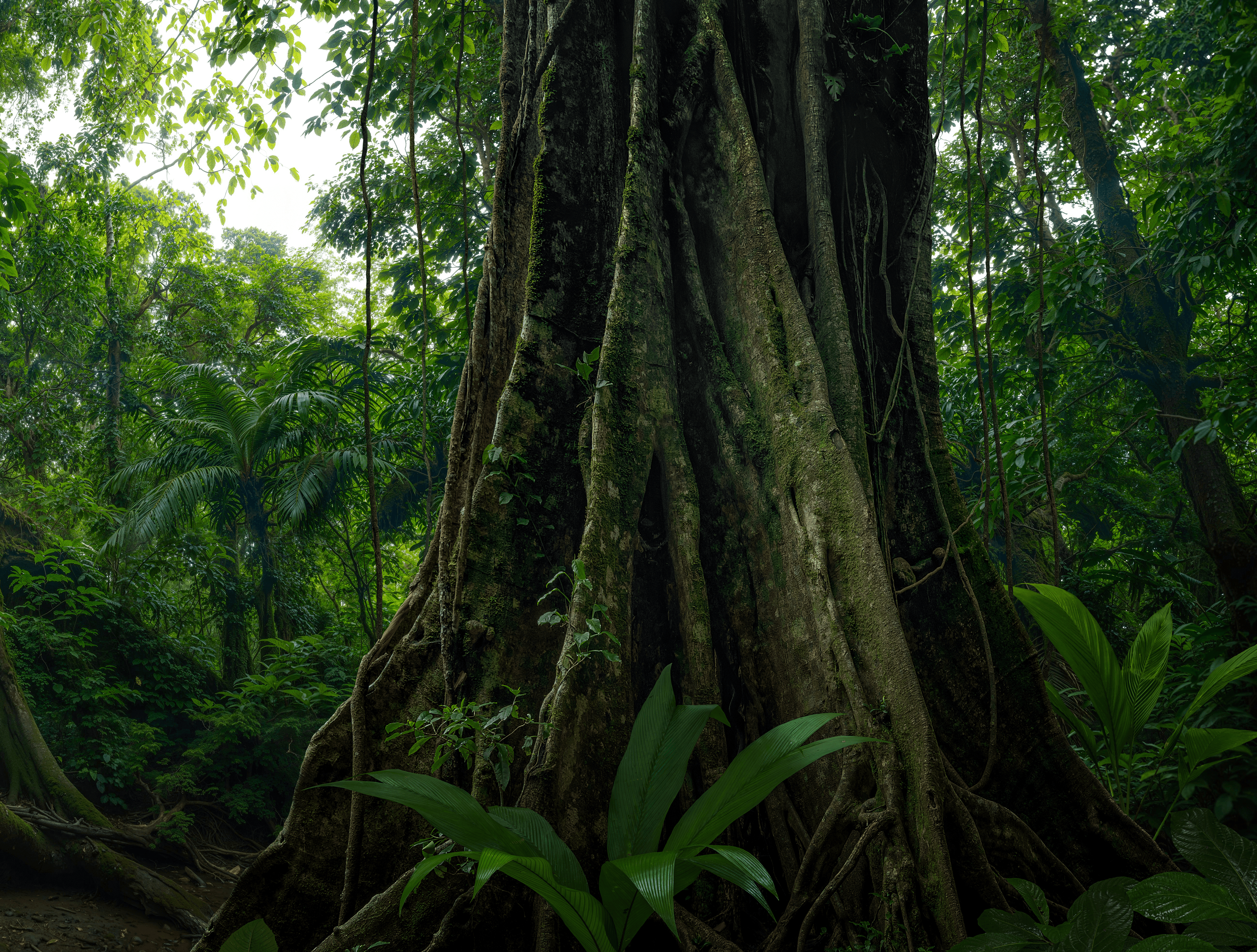
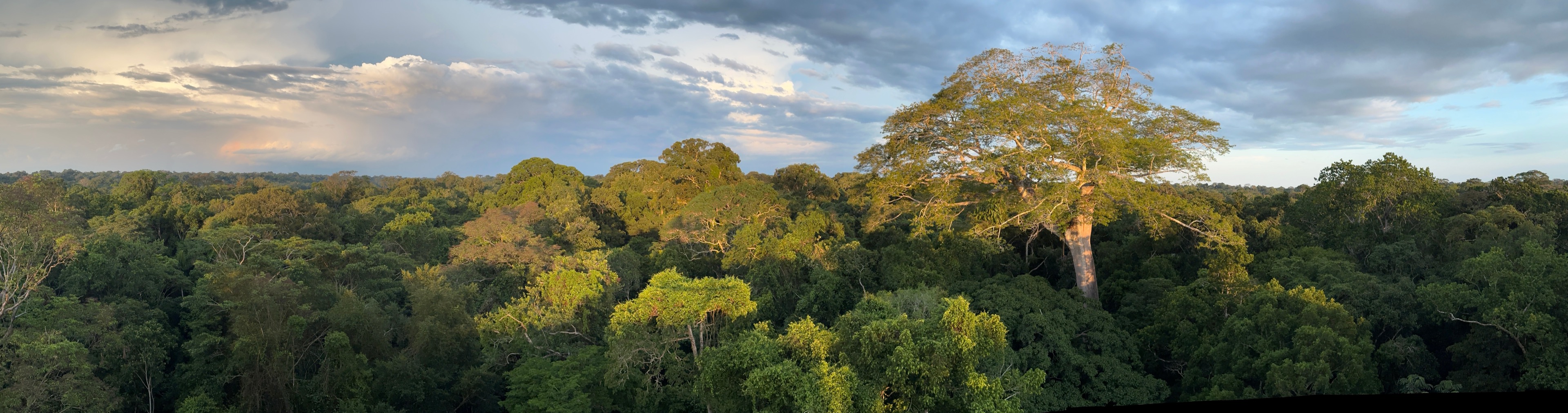
Mature tropical forests remove billions of tonnes of CO2 every year
actively removing & storing carbon, not just avoiding emissions.
Most carbon removal approaches focus on engineered solutions still reaching scale, or afforestation and reforestation projects requiring decades to deliver results.
Atmospheric measurement of carbon removal in real time now enables payment for the carbon ecosystem services standing forests provide — moving beyond an avoidance lens to recognise the continuous removals they deliver today.
Read more about Old vs Young ForestRead more about Carbon Removal vs AvoidanceGoing Beyond Carbon
Biodiversity & Social benefits
Tropical Forests with Robust Animal Populations Store 4x More Carbon.
The projects focus on Key Biodiversity Areas in Tropical forests. Biodiversity, plays a critical role in how much carbon forests can store. The projects work with well regarded conservation groups and independently verify biodiversity outcomes through AI analysed soundscapes and camera traps.
Read more about the roles of animals in carbon storageBoots-on-the-ground and local communities are essential
Communities are financially rewarded for conserving their land rather than clearing it. This makes conservation a long-term economic asset.
Boots-on-the ground are essential to prevent illegal logging and poaching. Projects create local employment opportunities for park guards in the reserves. Long-term resilience is further built through community programs.
Carbon Removal Projects
Explore our active carbon removal reserves.

Serra Bonita, Brazil
Protecting 20,000 hectares of Atlantic rainforest in southern Bahia, Brazil. One of the planet's most endangered biomes with over 95% already lost.
Area
20K
hectares
Annual Carbon
120K
tCO₂e
Borneo Rainforest, Indonesia
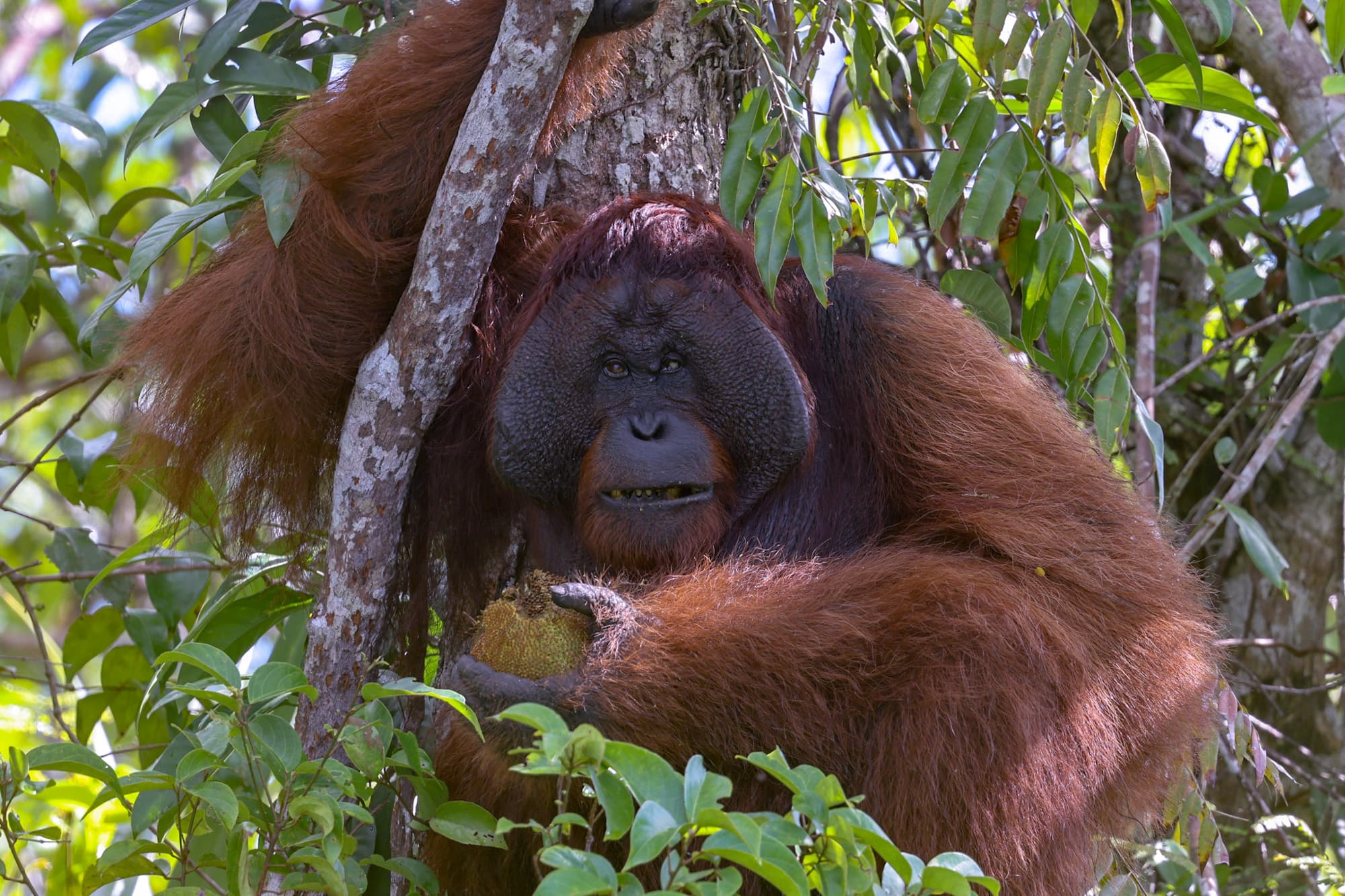
Protecting 88,000 hectares of tropical rainforest in East Kalimantan, Indonesia — a region that has lost ~30% of its forest to oil palm conversion.
Area
88K
hectares
Annual Carbon
200K
tCO₂e